Why Windows Work Hard in Kansas City
Windows carry a heavier load in Kansas City than in milder parts of the country. Our climate asks them to keep cold out during hard winter stretches and keep heat and humidity out through long, warm summers — all while standing up to the wind and storms the region sees each spring. When windows are old, poorly sealed, or single-pane, they become one of the biggest sources of wasted energy and discomfort in the home.
You feel it as drafts near the glass in January, rooms that never quite cool down in July, and the furnace or AC running longer than it should. Because KC swings between heating and cooling seasons, inefficient windows cost you at both ends of the year — there is no long, mild shoulder season where the problem hides. Upgrading windows is one of the more noticeable comfort improvements a homeowner can make, and it pays back in steadier indoor temperatures and quieter rooms.
The federal ENERGY STAR program is the most reliable, non-commercial way to compare window efficiency, and it frames its recommendations by climate zone — which matters a great deal for a metro like ours that has both real winters and real summers.
Signs It's Time to Replace Your Windows
Windows rarely fail all at once. They decline gradually, so it is easy to live with underperforming windows longer than you should. Watch for these signals that replacement is worth considering:
- Drafts you can feel. If you sense moving air near a closed window on a cold or windy day, the seal or the sash is no longer doing its job.
- Condensation between the panes. Fog or moisture trapped inside a double-pane unit means the seal has failed and the insulating gas has escaped — that window is no longer performing as designed.
- Difficult operation. Windows that stick, will not stay open, or no longer lock securely have worn out mechanically, which often means they no longer seal well either.
- Rooms that run hot or cold. A room that is always the hardest to heat or cool often has windows to blame.
- Rising energy bills without a clear cause, especially in older homes with original windows.
- Rot, water stains, or peeling around wood frames, a sign moisture is getting in and the window is past its service life.
- Outside noise coming through clearly, which modern multi-pane windows noticeably reduce.
A single symptom does not always mean full replacement — sometimes weatherstripping or a repair suffices. But when several of these show up together, or the windows are original to an older KC home, replacement usually delivers the comfort and efficiency that patchwork fixes cannot.
Reading ENERGY STAR Ratings for Our Climate Zone
When you shop for replacement windows, you will see two performance numbers on the label that matter most for a mixed climate like Kansas City's. Understanding them lets you compare products honestly instead of relying on a salesperson's framing.
- U-factor measures how well a window keeps heat in. A lower U-factor means better insulation against winter heat loss — important for KC's cold months.
- Solar Heat Gain Coefficient (SHGC) measures how much solar heat the window lets in. In a climate with hot summers, a moderate SHGC helps keep rooms from overheating, while some solar gain is still welcome in winter.
Because Kansas City has meaningful heating and cooling seasons, the ideal window here balances both numbers rather than optimizing for only one. ENERGY STAR publishes recommended U-factor and SHGC ranges by climate zone and updates them periodically, so the certified products in our region are already tuned to that balance. Choosing an ENERGY STAR–certified window that meets the current recommendation for our zone is the simplest way to be confident a product genuinely performs — the label does the vetting for you.
ENERGY STAR also periodically ties into federal energy-efficiency incentives. Because those programs change, check the current ENERGY STAR guidance for what is available rather than relying on older information — we will not quote a specific credit amount here because the details shift.
What to Look For in a Replacement Window
Beyond the efficiency label, a few features and details separate a window that performs for decades from one that disappoints. Here is what actually matters for a KC home.
- Double or triple glazing with an insulating gas fill and a low-emissivity (low-E) coating. Multi-pane, low-E windows are the baseline for comfort in our climate.
- A quality frame material. Vinyl, fiberglass, and clad-wood frames each have strengths in insulation, durability, and appearance. The right choice depends on your home's style and your priorities.
- Warm-edge spacers between panes, which reduce condensation and heat transfer at the glass edge — a common weak point in cheaper units.
- Solid weatherstripping and a tight, well-built sash that will keep sealing after years of KC's expansion-and-contraction weather.
- A meaningful warranty on both glass and frame, from a manufacturer that will still be around to honor it.
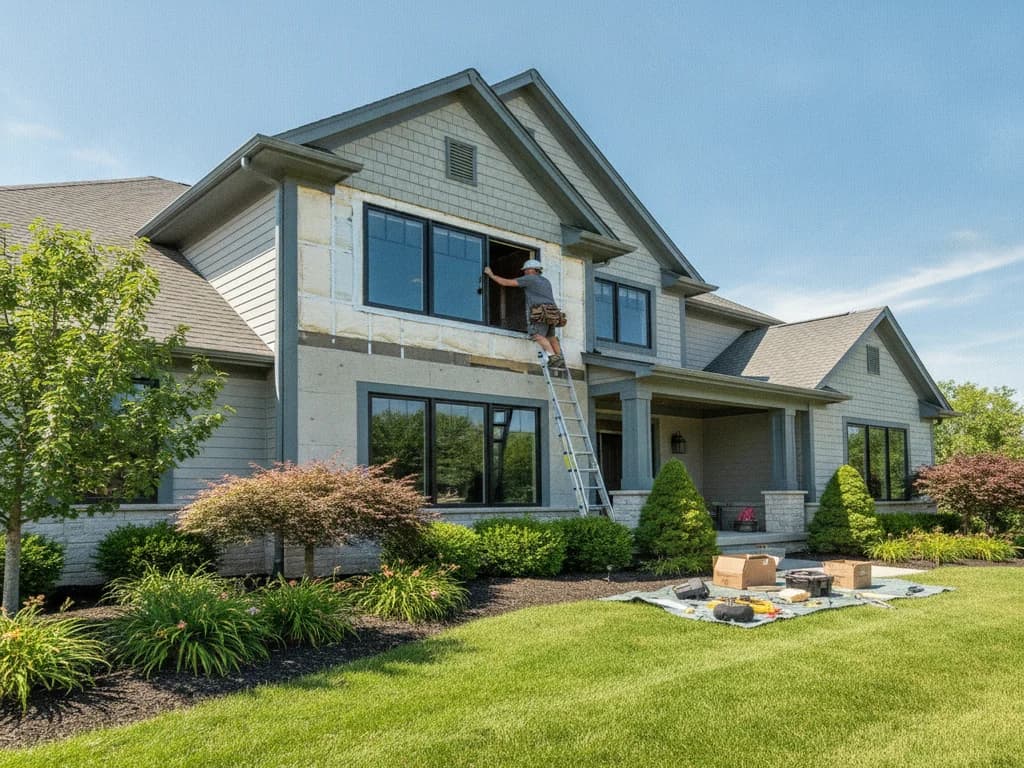
Just as important as the window itself is the installation. Even an excellent window underperforms if it is set out of square, poorly insulated around the frame, or flashed incorrectly — gaps around the opening let air and water bypass the window entirely. Professional installation that air-seals and properly flashes the opening is what lets the product deliver the efficiency it is rated for. Our window replacement service covers both the product selection and the install details that make it work.
Planning a Window Project in KC
Replacing windows is a project you can approach at your own pace, and a little planning makes it smoother.
Decide on scope. Some homeowners replace every window at once for a consistent look and the biggest efficiency gain; others prioritize the worst offenders first — the drafty north side, or the sun-blasted west-facing rooms — and phase the rest over time. Both approaches are valid.
Think about timing. Windows can be installed year-round, but many KC homeowners prefer spring and fall, when the weather is mild for the brief period each opening is exposed during installation. If you are pairing windows with other exterior work, coordinating them can save disruption.
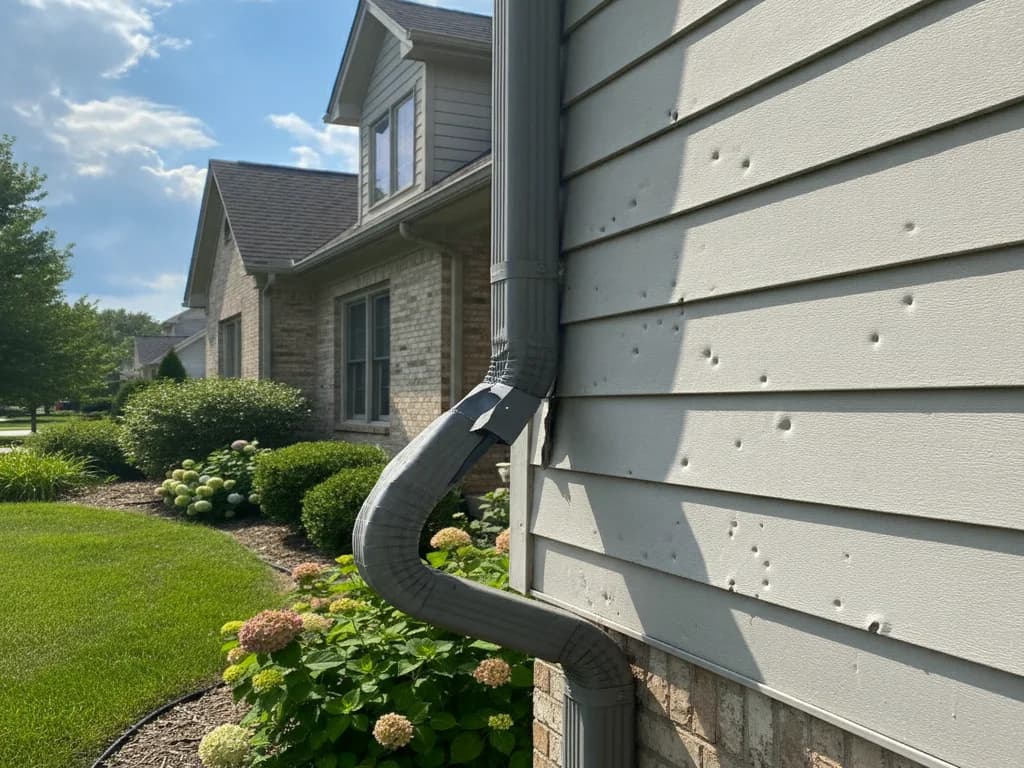
Consider the whole envelope. Windows work alongside your siding, doors, and insulation. If a storm or an aging exterior already has you looking at siding or entry doors, bundling the work can be efficient. For homeowners doing broader upgrades, our exterior remodeling overview shows how these pieces fit together.
When you are ready, the honest next step is a free on-site assessment. We will look at your current windows, talk through where you feel the biggest comfort and efficiency problems, and recommend ENERGY STAR–appropriate options for your home. Request your free estimate to get started.
What ENERGY STAR window specs are right for Kansas City?
Kansas City falls in a mixed climate with both significant heating and cooling seasons, so the ideal window balances a low U-factor (good winter insulation) with a moderate Solar Heat Gain Coefficient (limits summer overheating). ENERGY STAR publishes recommended ranges by climate zone and updates them periodically. Choosing an ENERGY STAR–certified window that meets the current recommendation for our region is the simplest way to be sure a product performs well here.
How do I know if my windows need replacing or just repair?
A single issue like worn weatherstripping can sometimes be repaired. But when you see several signs together — drafts you can feel, condensation trapped between the panes, difficult operation, rooms that run hot or cold, or rot around the frame — replacement usually makes more sense. Fog between double-pane glass in particular means the seal has failed and that unit is no longer insulating as designed.
What does U-factor and SHGC mean on a window label?
U-factor measures how well a window resists heat loss; a lower number means better insulation, which helps in KC winters. SHGC (Solar Heat Gain Coefficient) measures how much solar heat the window lets in; a moderate number helps keep rooms comfortable in hot summers. Because Kansas City has real winters and summers, the best windows here balance both numbers rather than optimizing for only one.
Are there tax credits for energy-efficient windows?
ENERGY STAR periodically ties into federal energy-efficiency incentives for qualifying products, but the specifics change over time. We do not quote a fixed credit amount because those details shift. Check the current ENERGY STAR guidance and consult a tax professional to confirm what is available for your project in the year you install, rather than relying on older figures.
Do I need to replace all my windows at once?
No. Some homeowners replace everything at once for a consistent look and the largest efficiency gain, while others start with the worst-performing windows — the drafty side of the house or the sun-exposed rooms — and phase the rest over time. Both approaches work. A free on-site assessment can help you decide where to start based on where you feel the biggest comfort and efficiency problems.