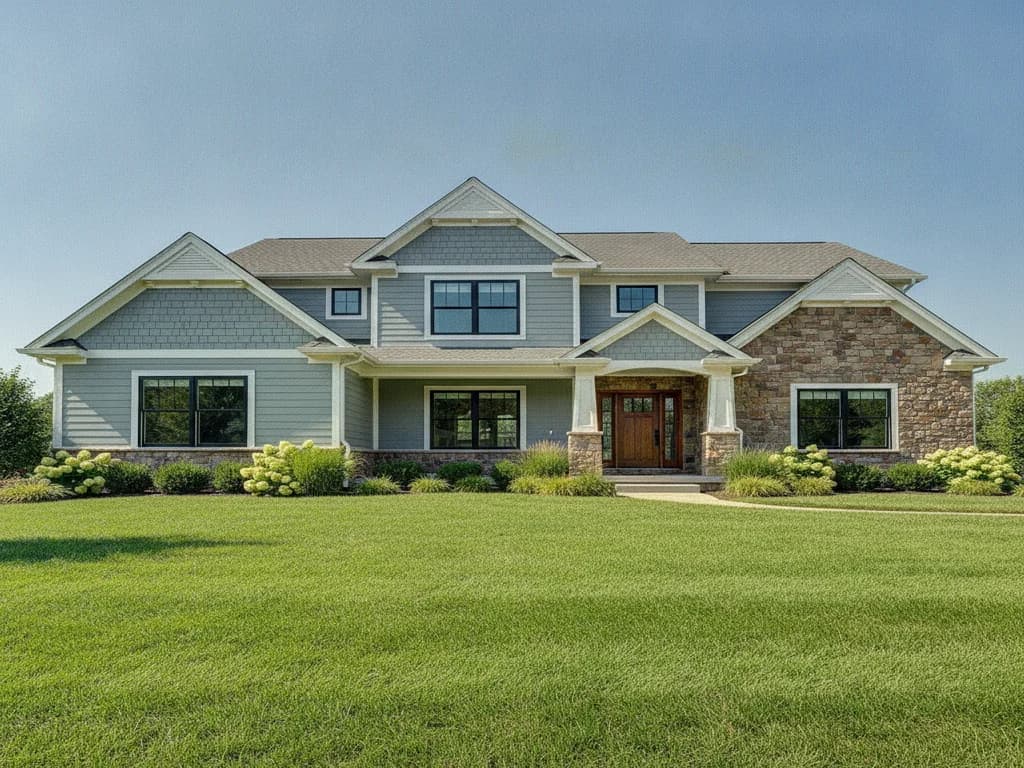
Siding Installation in Kansas City
Kansas City siding takes a beating — spring hail and wind, humid summers, and repeated freeze-thaw cycles all winter. Our team replaces failing hardboard and dated siding with fiber cement, engineered wood, or vinyl, installed over a proper moisture barrier so the whole wall system protects your home, not just the surface.
Siding is the workhorse of your home's exterior, and in Kansas City it takes a beating — spring hail and wind, humid summers, and repeated freeze-thaw all winter. As part of our exterior remodeling services, we replace failing hardboard and dated siding with fiber cement, engineered wood, or vinyl — installed over a proper moisture barrier so the whole wall system protects your home, not just the surface. Planning your budget? Start with our Kansas City siding cost guide.
- James Hardie fiber cement siding
- LP SmartSide engineered wood siding
- Insulated and standard vinyl siding
- Full house wrap and moisture-barrier installation
- Sheathing inspection and rot repair during tear-off
- Flashing at windows, doors, and penetrations
- Soffit, fascia, and trim replacement
- Partial siding repair after storm damage
- Color and profile matching for additions and repairs
- Proper fastening and expansion detailing for freeze-thaw
We install the three siding materials that make the most sense for Kansas City homes. Each has its own strengths — explore the options and how they hold up here.
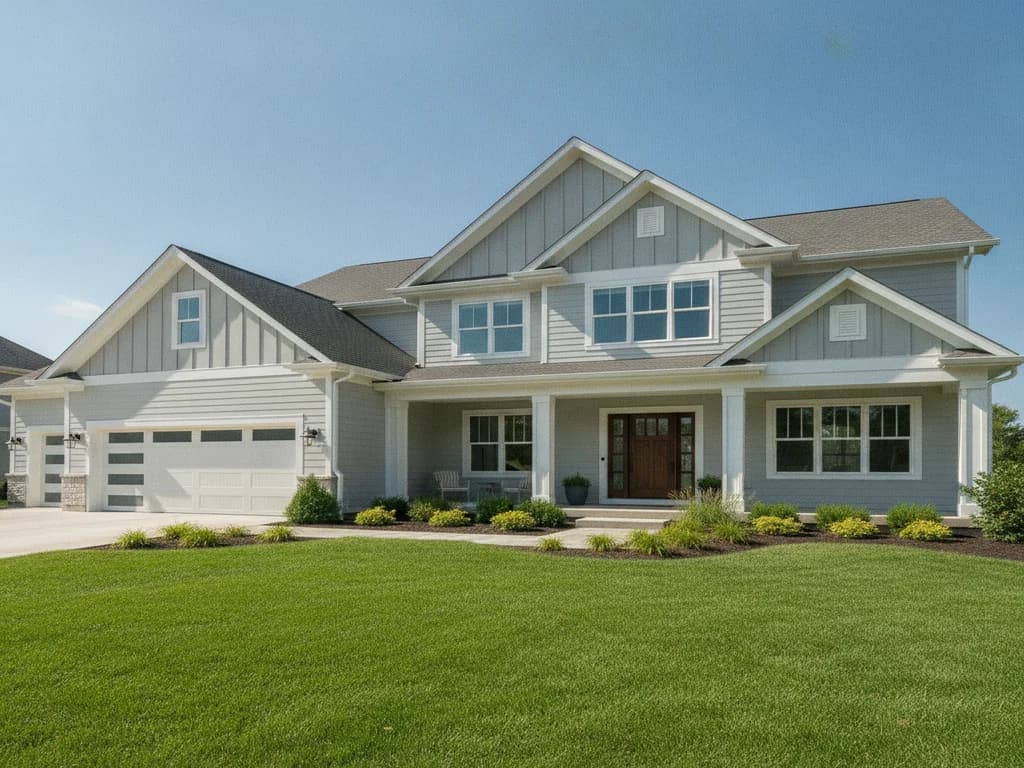
James Hardie Fiber Cement
Dense, non-combustible fiber cement that shrugs off hail and holds its baked-on color through KC freeze-thaw. Our most durable siding.
Learn More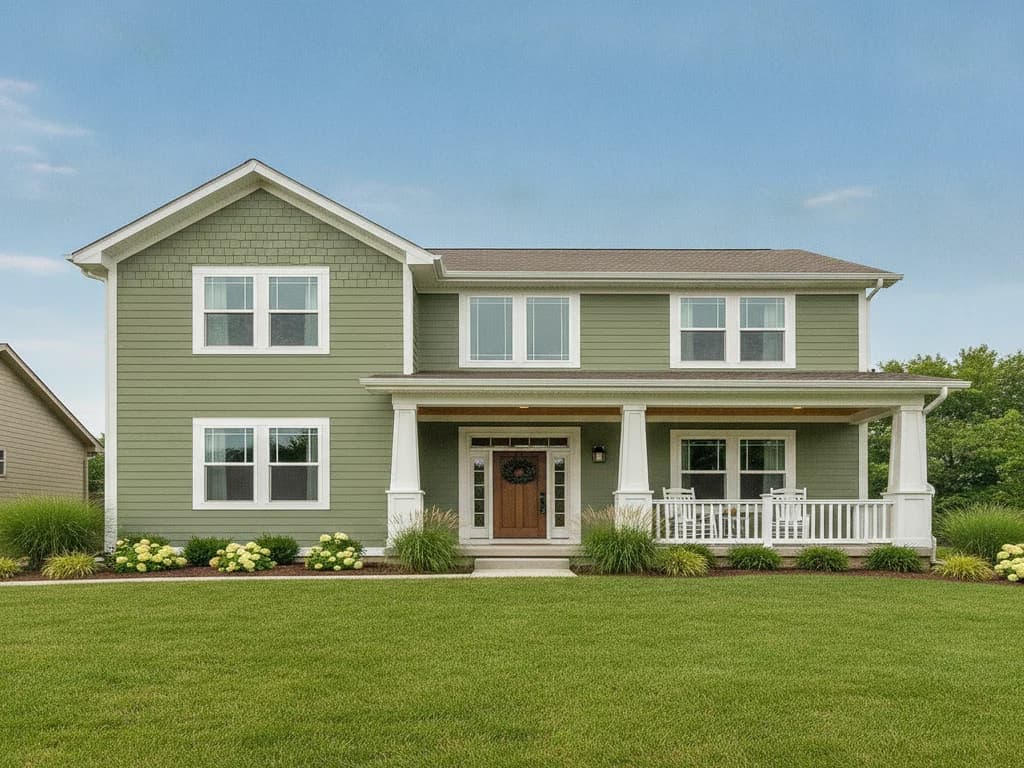
LP SmartSide Engineered Wood
Real wood-grain warmth with treated strands that resist moisture and impact — lighter than fiber cement and backed by LP's 5/50 warranty.
Learn More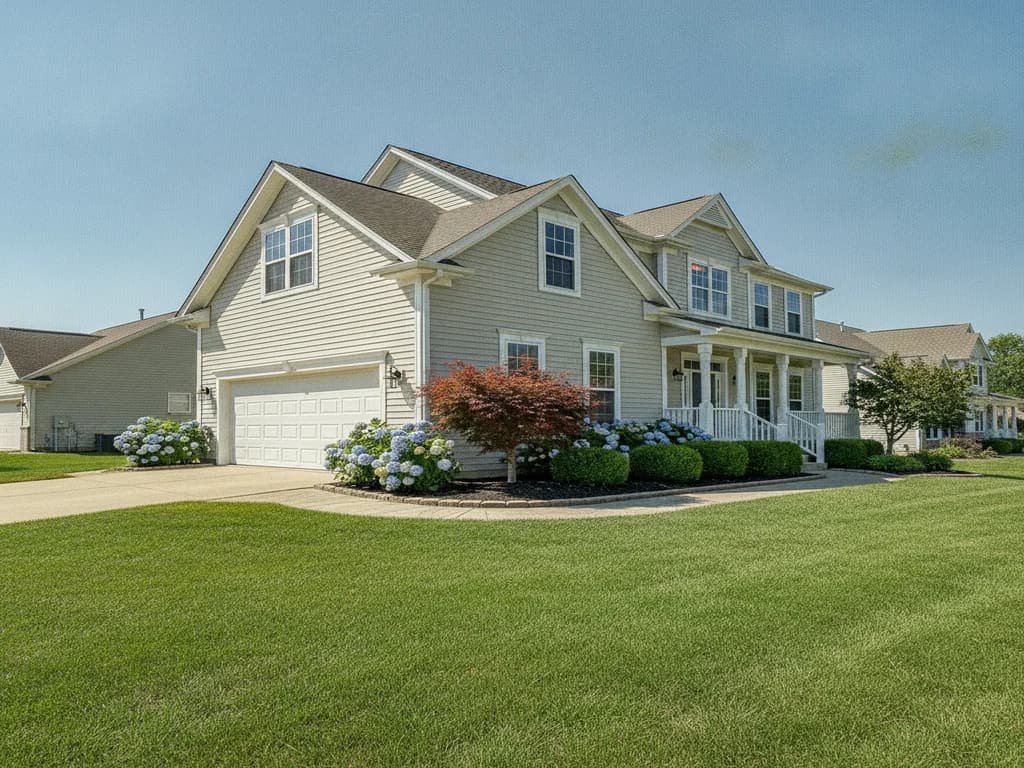
Vinyl Siding
The budget-smart, no-repaint option in a wide color range — installed with the right expansion allowance for our temperature swings.
Learn MoreMost homeowners don't notice siding has failed until moisture has already reached the sheathing. These are the warning signs we see most often on KC exteriors.
Swelling or Crumbling Hardboard
A lot of 1980s–1990s KC homes have hardboard siding that soaks up moisture and fails at the bottom edges and seams. Once it swells or crumbles, patching won't hold — replacement solves it.
Cracks After a Hailstorm
Spring hail dents and cracks aging siding. Even hairline cracks let water in, which freezes and expands over winter and rots the wall behind the panel.
Fading or Chalking
If your hand picks up a chalky residue, the finish has worn out. Common on older vinyl and field-painted siding on south- and west-facing walls that take the most KC sun.
Warping or Buckling
Panels that no longer sit flat usually mean trapped moisture behind the siding or heat damage — often on the hot southern and western exposures.
Mildew and Dark Streaks
Our humid summers drive mildew on north-facing walls. Surface mold can be cleaned, but recurring growth means the siding is holding moisture against the sheathing.
Rising Energy Bills
Deteriorated siding often means compromised air sealing. If heating and cooling costs climbed without another cause, failing siding may be part of the loss.
Get Your Free Siding Estimate
Free in-home consultation across the KC metro — fixed-price proposals and a written workmanship warranty.
Siding Assessment
We inspect the existing siding, trim, and any signs of moisture behind it, then talk through material options suited to your home and the local climate.
Material Selection & Order
You choose the siding type, profile, and color. We order materials along with house wrap, flashing, and trim so the full wall assembly is accounted for.
Tear-Off & Repair
Old siding comes off, we inspect and repair the sheathing where water or rot has gotten in — common on older homes with failing hardboard — and install house wrap and flashing.
Installation & Finishing
New siding, corner boards, trim, soffit, and fascia are installed with proper fastening and sealing. We complete a final inspection and clean the site.
How siding materials perform in the Kansas City climate and what goes on behind the surface. Open the topics that matter for your home.
Choosing a Siding Material for Kansas City
There's no single "best" siding — the right choice depends on your budget, your home's style, and how much maintenance you want. For KC's mix of hail, humidity, and freeze-thaw, we most often recommend fiber cement or engineered wood, with vinyl a solid value option.
Fiber cement (James Hardie) is dense and rigid, so it resists hail and wind-driven debris better than aged vinyl, doesn't feed rot in humid summers, and holds its factory color through years of freeze-thaw. It costs more up front and is heavier to install.
Engineered wood (LP SmartSide) gives a real wood-grain look with treated strands that resist moisture and impact. It's lighter and less brittle than fiber cement and is backed by LP's well-known 5/50 warranty.
Vinyl never needs repainting, comes in a wide color range, and is the most budget-friendly refresh — installed with the right expansion allowance so it doesn't buckle through our temperature swings.
What Goes On Behind the Siding
The weather-resistive barrier behind your siding is just as important as the siding itself — it's the last line of defense against water, and it's invisible once the job is done. We never shortcut it.
After tear-off, we inspect and repair the sheathing, then install house wrap with taped seams so water is channeled down and out rather than into the wall cavity. Every window, door, and penetration is flashed and integrated with the house wrap in a shingle-lap pattern. Improper flashing is the most common cause of hidden water damage behind siding, and it's exactly what we design out.
This is settled building science. Building Science Corporation's moisture-control research is clear that every cladding — siding, brick, stucco — lets some water through, so the drainage plane behind it is what actually keeps the wall dry. And the U.S. DOE Building America program calls for base flashing at least 8 inches above grade with the house wrap lapped over it — details we hold to so splash-back and snowmelt can't saturate the bottom of the wall.
Hardboard Siding: Why So Many KC Homes Fail
A large share of Kansas City homes built in the 1980s and 1990s used hardboard (often called Masonite-style) siding. Over time it absorbs moisture and fails at the bottom edges, seams, and any spot where paint has worn through — swelling, softening, and crumbling.
Patching and repainting only buys a little time because the substrate keeps wicking water. Replacing it with fiber cement or engineered wood solves the recurring problem for good and gives us the chance to inspect and repair whatever the old siding was hiding.
Siding installation pairs naturally with windows, trim, and exterior painting for a complete exterior renovation.
What siding holds up best in Kansas City?
Fiber cement and engineered wood are the two we most often recommend for the metro. Both resist the impact of hail better than aged vinyl, handle our humidity, and tolerate the freeze-thaw swings between our hot summers and cold winters. Vinyl remains a solid budget option, especially in insulated versions.
My hardboard siding is swelling and crumbling — is that common here?
Very. A lot of KC homes from the 1980s and 1990s were built with hardboard (often called Masonite-style) siding that absorbs moisture over time and fails at the bottom edges and seams. Replacing it with fiber cement or engineered wood solves the recurring problem rather than patching it.
Do you check for damage behind the old siding?
Yes. Once the old siding is off, we inspect the sheathing and framing for moisture damage and rot before installing anything new. We show you anything we find and repair it so the new siding goes on over a sound wall.
How long does a siding project take?
A full re-side on a typical home usually takes one to a few weeks depending on size, number of stories, and how much repair is needed underneath. Partial storm repairs are faster.
Do you inspect the sheathing before installing new siding?
Always. Once the old siding is off, we inspect every foot of sheathing and framing for moisture damage and rot before anything new goes on — a step that matters especially on older KC homes with failing hardboard siding. We show you whatever we find and repair it so the new siding installs over a sound wall. What's behind the siding matters more than the siding itself.
Can you install new siding over the existing siding?
We generally recommend against it. Installing over old siding hides the sheathing, so moisture damage and rot go undetected, and it adds thickness that complicates trim, window, and door details. For fiber cement and engineered wood, manufacturers typically require installation over clean sheathing with fresh house wrap for warranty coverage. We remove the old siding so the wall system is done right.
How do you handle the freeze-thaw swings when installing siding?
Kansas City sees dozens of freeze-thaw cycles each winter, so we follow each manufacturer's specifications for fastening, gapping, and clearances that let the material move without cracking or buckling. Vinyl gets the correct expansion allowance, fiber cement gets the proper fastener spacing, and every opening is flashed so water is directed out rather than trapped where it can freeze.
We provide siding installation to homeowners across the Kansas City metro on both sides of the state line. Each community has its own dedicated page with local permitting, climate, and project detail — and each metro hub covers the surrounding areas we also serve.
The following government agencies, industry organizations, and official resources provide additional information relevant to your remodeling project.
Ready to Start Your Remodeling Project?
Get a free, no-obligation estimate from Kansas City's remodeling and exterior specialists. Licensed, insured, and ready to build.