When it is time to re-side a Kansas City home, three materials do most of the work: fiber cement (best known as James Hardie), engineered wood (LP SmartSide), and vinyl. All three can look great and protect a house for decades — the differences are in cost, durability against our hail and freeze-thaw, maintenance, and the look you want. We install all three, so this is an honest side-by-side, not a pitch for one.
The quick frame: vinyl is the budget-friendly, no-paint workhorse; engineered wood is the real-wood look that installs lighter and takes paint beautifully; fiber cement is the premium, hard, fire-resistant option with the longest track record. Here is how they compare in our climate.
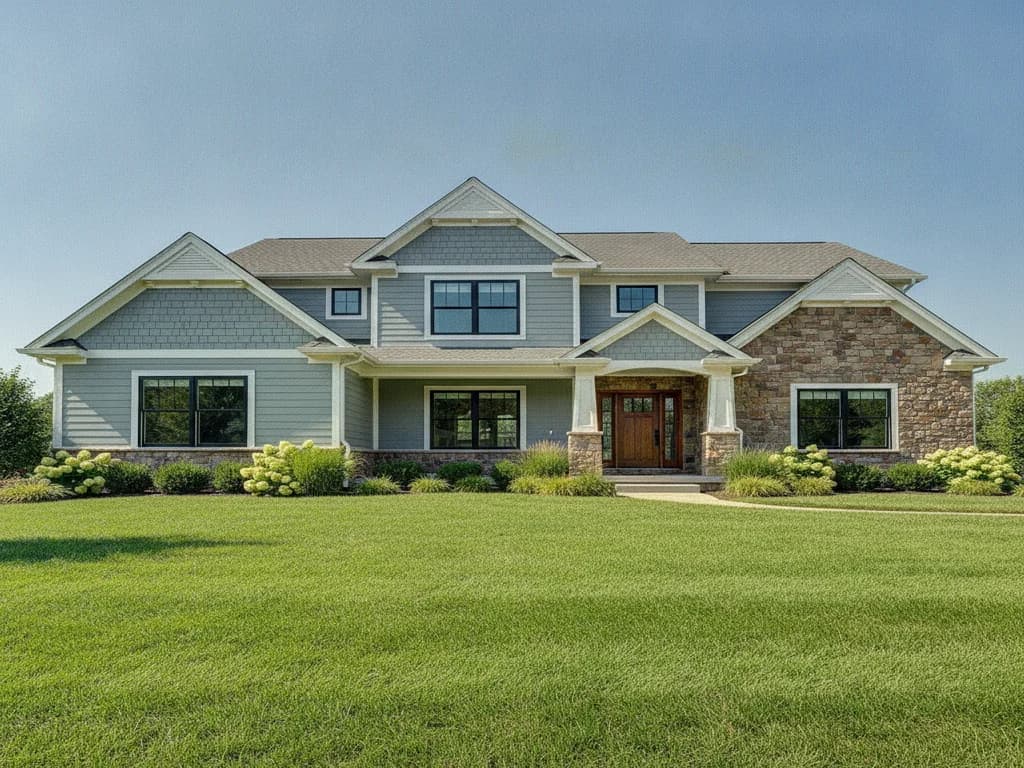
Advantages
- Extremely durable and hard — stands up well to KC hail and impact.
- Non-combustible and highly resistant to rot, insects, and moisture.
- Long warranties and a proven, decades-long track record.
- Baked-on color options and a crisp, high-end look that boosts resale.
Trade-offs
- The highest upfront material and labor cost of the three.
- Heavy and brittle to work with, so installation is labor-intensive.
- Periodic repainting eventually needed unless you choose factory color.
Advantages
- Authentic wood-grain look with a deep, paintable texture.
- Lighter and faster to install than fiber cement, often lowering labor.
- Engineered and treated to resist rot, fungal decay, and termites.
- Long warranties, with some lines carrying a hail-damage warranty.
Trade-offs
- A wood-based product, so correct installation and sealing matter.
- Generally needs repainting over time to maintain protection and look.
- Mid-range cost — more than vinyl, usually less than fiber cement.
Advantages
- The most budget-friendly option, upfront and installed.
- Never needs painting — the color runs through the material.
- Lightweight and quick to install, and easy to clean.
- Modern insulated vinyl improves the look and energy performance.
Trade-offs
- Less impact-resistant — heavy hail can crack it more easily.
- Can warp or become brittle at temperature extremes over time.
- A less premium look than fiber cement or engineered wood.
- Color is set at purchase; you cannot repaint to a new color easily.
Weigh hail exposure, budget, the look you want, and how much maintenance you will accept. All three protect a home for decades when installed correctly — the right pick is the one that fits your priorities.
Lean fiber cement if
- You want maximum durability, fire resistance, and hail toughness.
- A premium look and strong resale value are priorities.
- You are comfortable with the highest upfront investment.
Lean engineered wood if
- You love a real wood-grain look and a paintable finish.
- You want strong durability at a mid-range cost.
- Faster installation and lighter weight appeal to you.
Lean vinyl if
- Controlling the budget is the top priority.
- You want a no-painting, low-maintenance exterior.
- Insulated vinyl's energy and value story fits your goals.
Kansas City weather is the real judge of siding. We get hard-hitting hail, high winds, humid summers, and freeze-thaw winters — a combination that punishes a weak product or a sloppy install. Hail resistance is the factor that pushes many KC homeowners toward fiber cement or engineered wood over standard vinyl, since heavy hail cracks brittle siding more easily.
That said, the material is only half the story. Whatever siding you choose, what keeps water out of the wall is the weather-resistive barrier and flashing behind it, installed correctly. A premium board over poor flashing still fails, and quality vinyl over a properly detailed wall performs well. We build the wall assembly right regardless of which siding sits on the front of it.
Because we install fiber cement, engineered wood, and vinyl, we can walk your home and weigh hail exposure, budget, look, and maintenance honestly — then recommend the material that actually fits, not the one we happen to stock.